
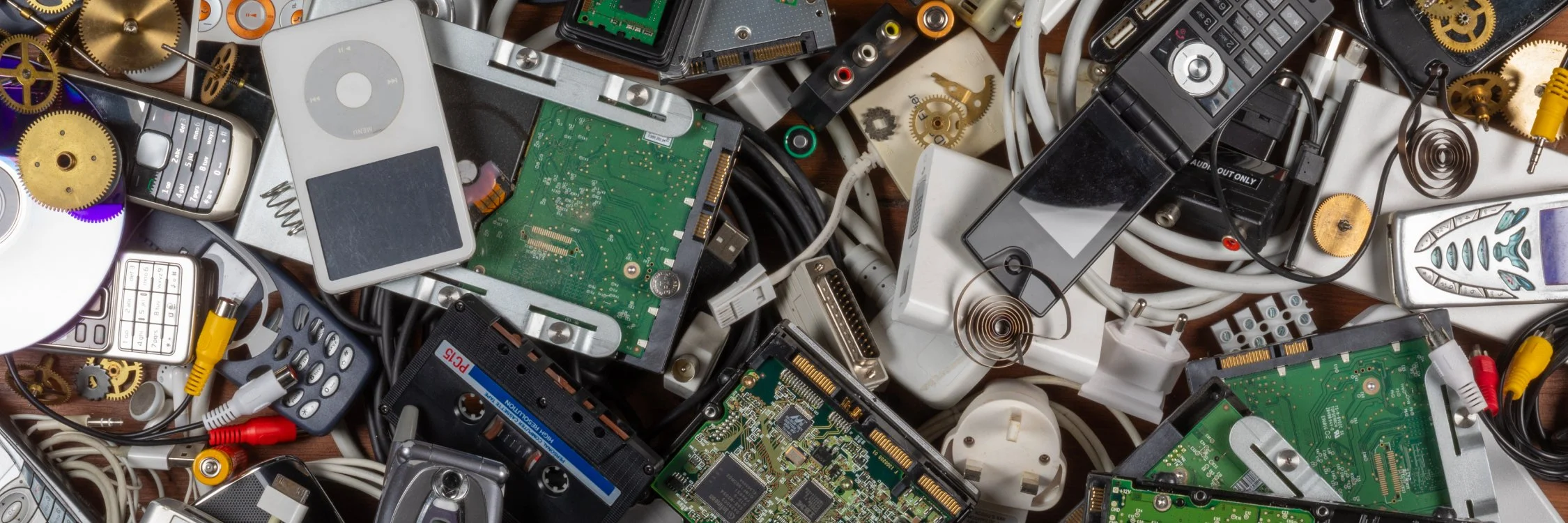
E-WASTE E-CYCLING
ACTS is a perfect place to bring your old, unwanted electronics.
Don’t dump it, recycle your E-Waste at ACTS Thrift Store free of charge.
ACTS is approved as a collector by the State of California by the Department of Resources Recycling and Recovery and is a drop-off location for approved items. ACTS will properly dispose of the items, helping our environment, and use the proceeds to aid local charities that help at-risk youth and their families.
Here are some other reasons to e-cycle at ACTS:
• Sustainability-keep unwanted and toxic items out of landfills
• Community Pride — choosing to e-cycle at ACTS supports the work of good local charities
• Tax Write-Off — ACTS is a non-profit organization, so ACTS will give you a tax write-off for your donation
• Your Goodwill — Friends, neighbors, businesses and employees will look favorably on your responsible actions.
We accept these commonly donated E-Waste Items:
Televisions [all types, any size]
Monitors [all types, any size]
Computers and servers [any size]
Copiers, Printers, Faxes, Scanners [any size]
All peripherals: keyboard, mouse, speaker
Laptop computers
Xbox, Wii, PlayStation. Ipod, Cable Box
DVD players, VCRs, DVRs, Stereos, Boom Boxes
Microwaves
Ink and toner cartridges
Unique electronics: Internal components of computer
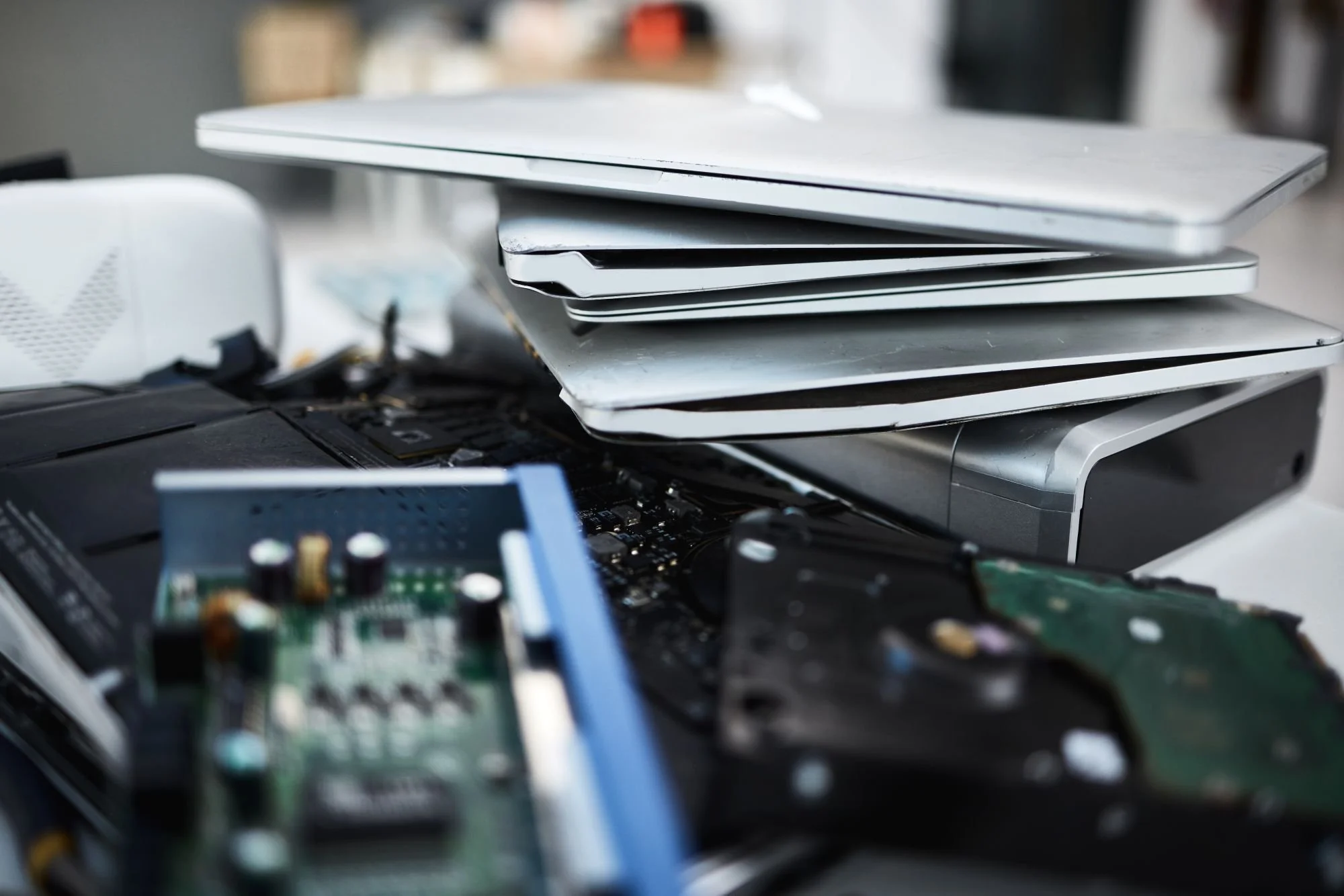
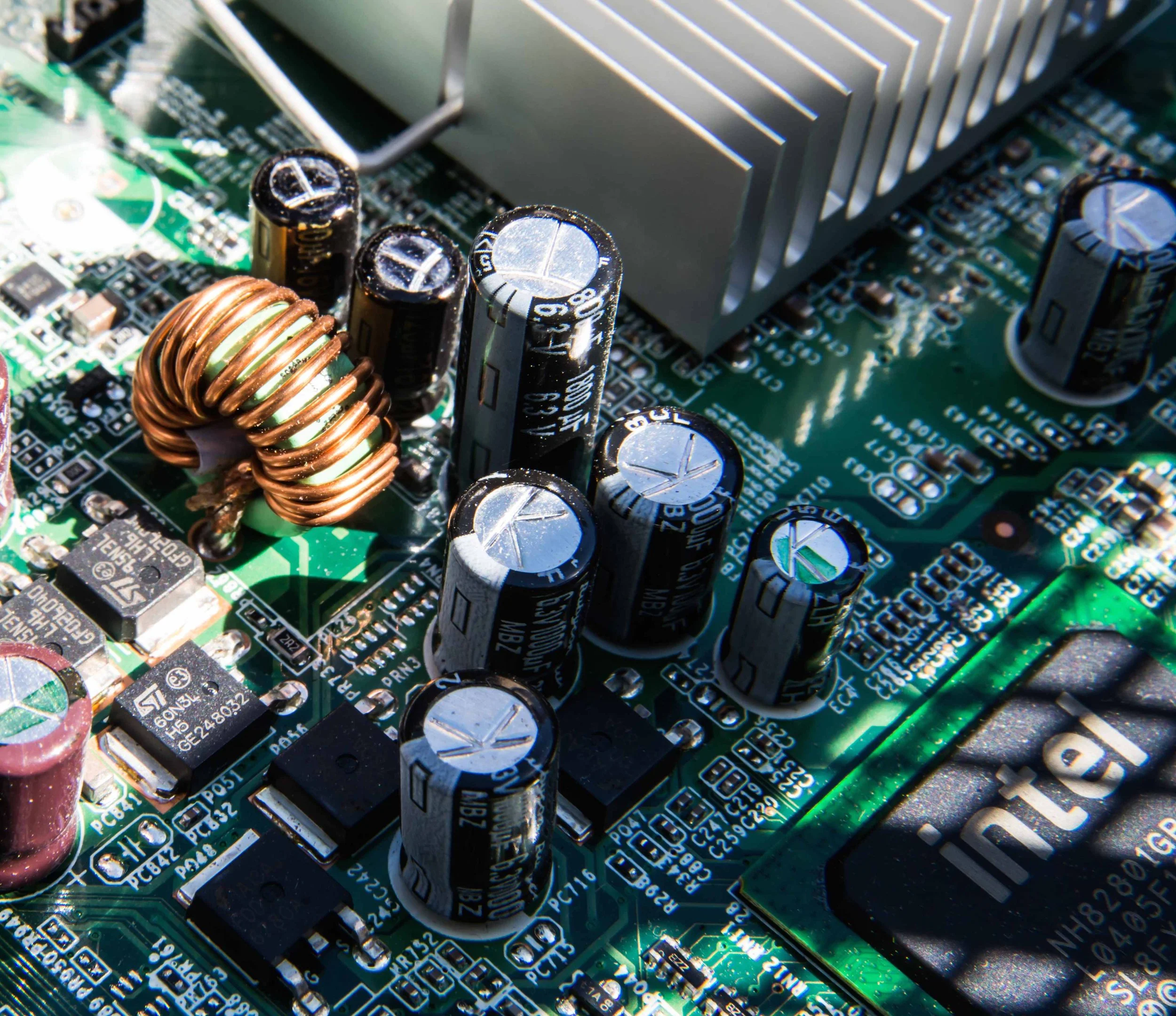
E-Cycle Hard Drives
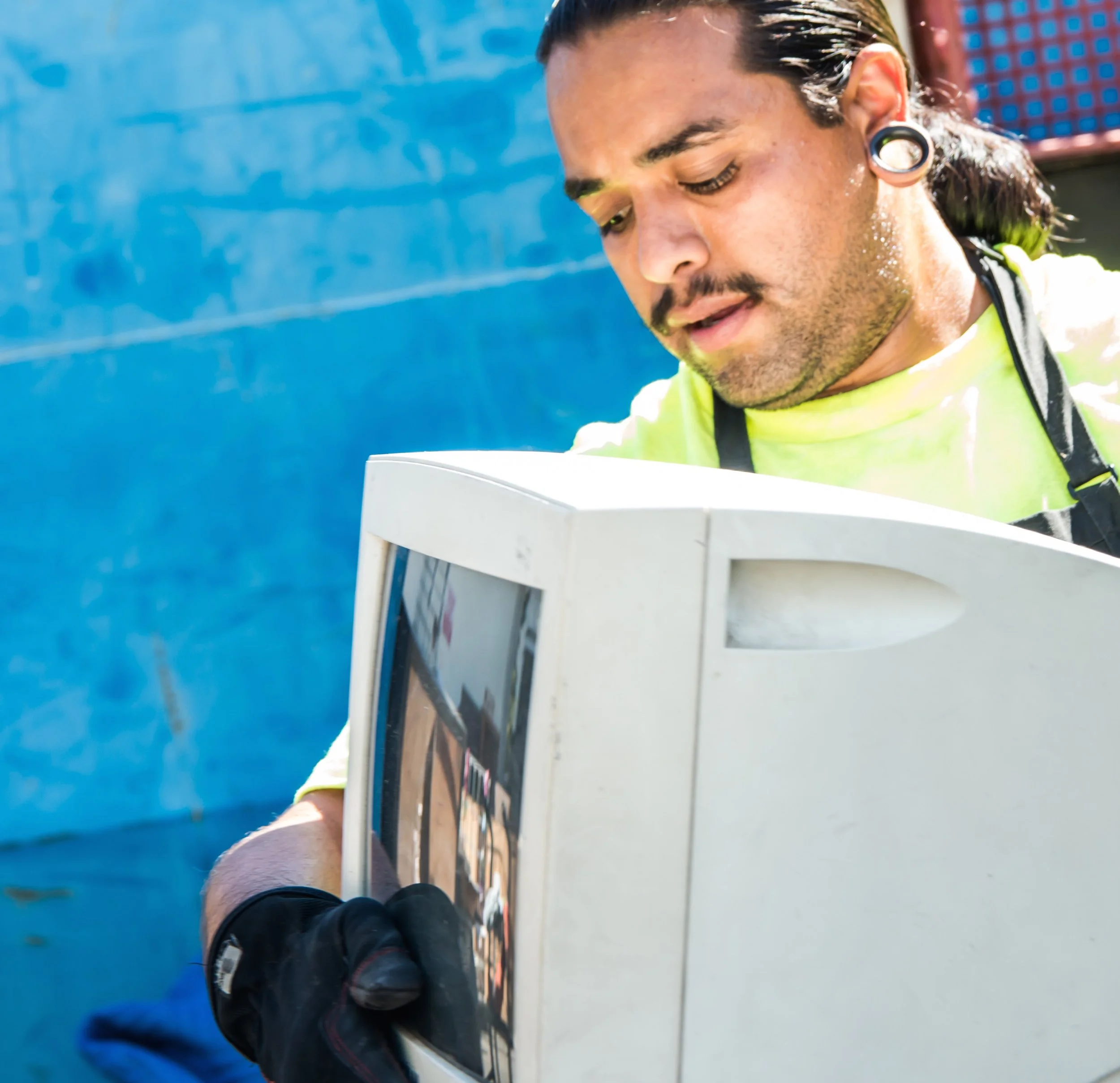
E-Cycle Monitors
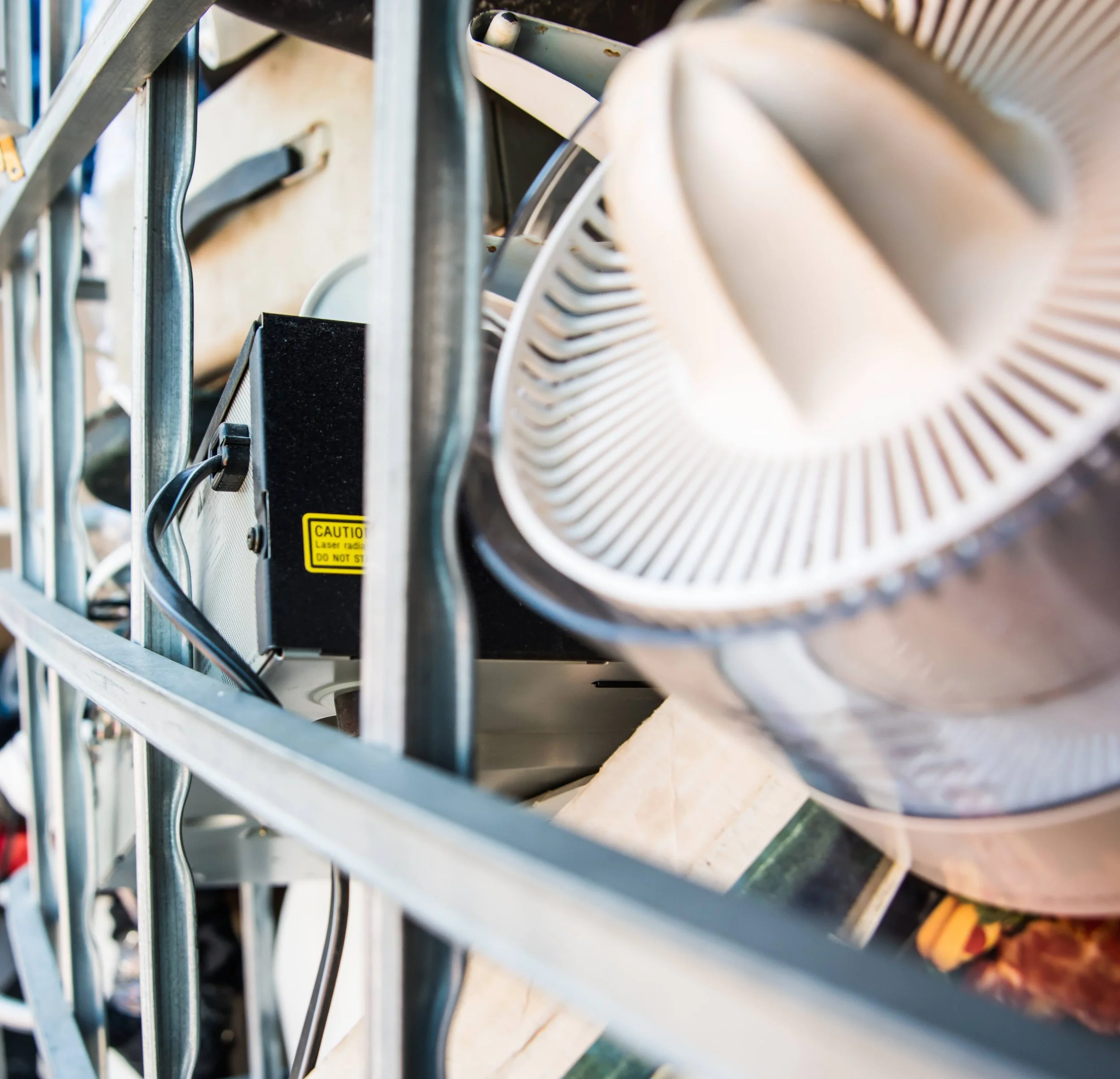
Electronics Need E-Cycling
YOUR E-WASTE NEEDS A NEW HOME — THAT’S ACTS!
⋆
YOUR E-WASTE NEEDS A NEW HOME — THAT’S ACTS! ⋆
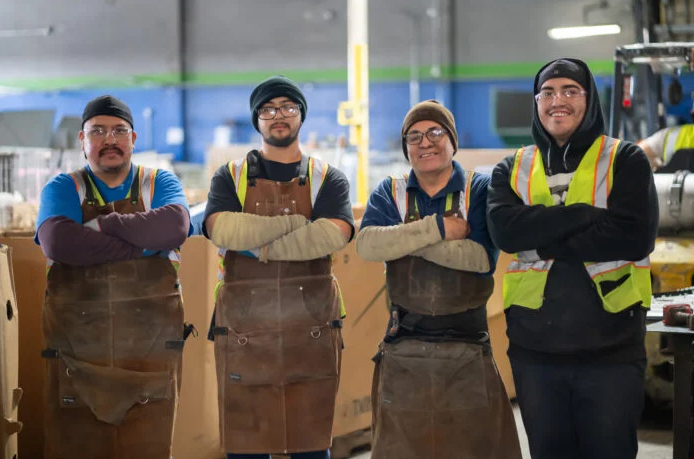
Meet Our E-Cycle Partner — Cal Micro
Cal Micro has zero landfill and zero oversea policy for electronics. Cal Micro works with ACTS to make sure we are DTSC compliant and educates employees with the proper knowledge of handling e-waste.
So want to learn more about E-Waste and E-Cycling? Click below.
-
E-waste is a popular, informal name for electronic products nearing the end of their “useful life. Many of these products can be reused, refurbished, or recycled. E-waste can include re-usables (working and repairable electronics) and secondary scrap (copper, steel, plastic, etc.) to be “commodities”, and reserve the term “waste” for residue or material which is dumped by the buyer rather than recycled, including residue from reuse and recycling operations.
More broadly, e-waste is non-working parts and devices, irrespective of material composition.
-
E-waste is the fastest growing component in our waste stream.
1. E-waste constitutes more than 5% of the solid waste stream.
2. E-waste continues to increase each year. According to the EPA, 3.19 million tons of e-waste were generated in the U.S. in 2009; only 600,000 tons of this e-waste was recycled.
3. Over 82% of our e-waste – 2.59 million tons – ended up in our landfills or incinerators in a single year.
Technological improvements bring new electronic products to the market every day. This means we are constantly upgrading and replacing our obsolete equipment, as the industry encourages us to replace working devices with new and shinier gadgets. In addition, many of our modern electronics are designed for the dump-it is often cheaper and easier to replace a broken device than to get it fixed. -
Don’t Just Toss It, E-Cycle It
The problem is not simply the sheer mass of these discarded devices. Electronic products contain toxic materials, and improper disposal may lead to water and air pollution. Other toxic substances found in electronic devices include cadmium, copper, lithium, brominated flame-retardants, and phosphorus.
Throwing away old electronics also means the loss of valuable minerals and electronic components that could be mined for reuse, such as gold, copper, metal, and plastic. Rather than simply throwing away these valuable resources, it makes sense to recycle the devices and reuse as many of these materials possible. In short, recycling old electronics reduces the demand for raw materials and energy, reduces the burden on landfills, and reduces the amount of hazardous materials entering our environment.
What are the Hidden Dangers of E-Waste?
Caution must be taken to select electronics recyclers who can certify that their practices ensure worker safety and the prevention of toxic releases to the environment. Many e-waste items brought in for recycling is actually exported to developing countries. In these places, labor costs are lower and environmental regulations may be lax or not enforced, often resulting in major pollution and health problems in these communities.
E-waste that is shipped overseas may be improperly burned, soaked in acid baths, dumped into rivers, or piled into mountains for scrap recovery. These practices risk the release of toxic elements into the surrounding air, water, and land – thereby risking significant negative impact to the environmental and health concerns for workers and residents.
-
Want to Know More About E-Waste?
FAQ’s
The Epidemic
The True Cost of Electronic Waste
Calculate Your Carbon Print
Why Recycle Electronics
Benefits of Recycling Electronics
The Importance of Recycling ElectronicsWatch Some Videos On E-Cycling